| Readwise URL | https://read.readwise.io/read/01kt2ktrthhpadvd1meahk99mv |
|---|---|
| Readwise ID | 01kt2ktrthhpadvd1meahk99mv |
| Date | 2024-09-24 |
| Author | youtube.com |
| Category | video |
 \n\nSource: https://www.youtube.com/watch?v=loXc0Tyi4R4
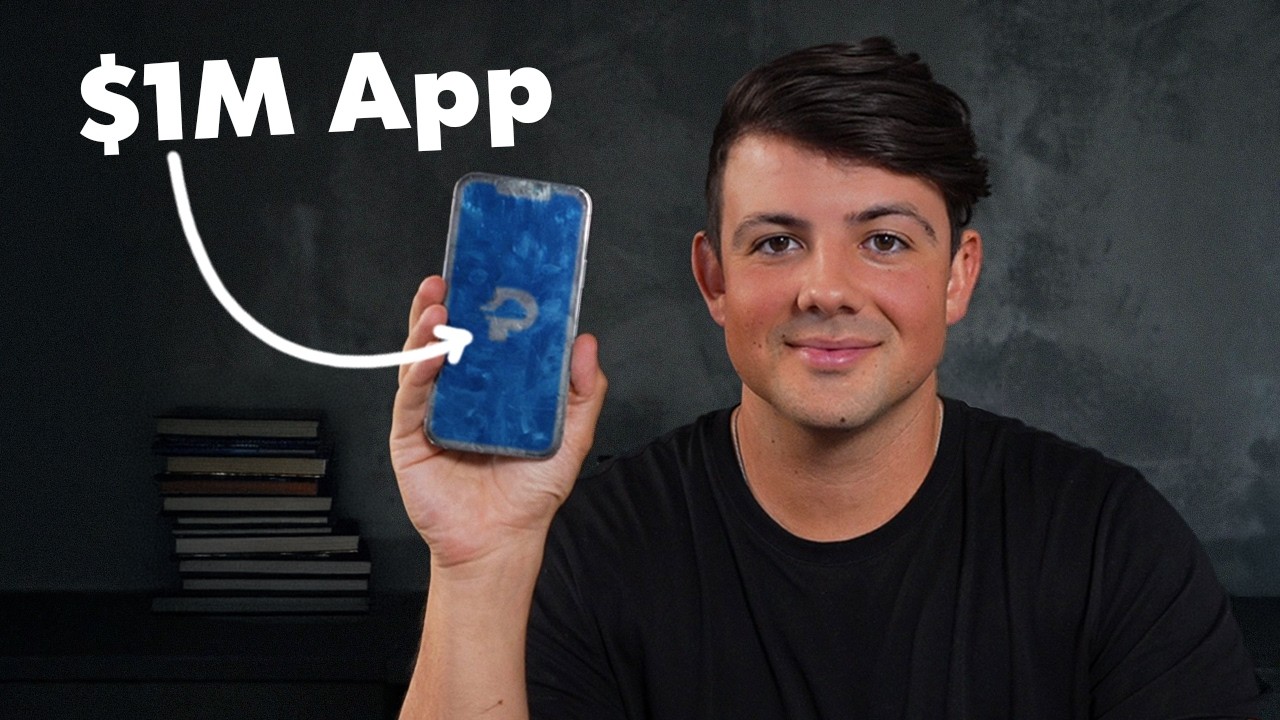
So, my mobile app, Puff Count, is currently$40,000 per month in recurringrevenue. I honestly don’t think you needany experience to build mobile apps,because to be honest, I didn’t have any.
How did this guy build a $40,000 permonth mobile app with no codingexperience? Well, it’s all because of hisunconventional approach to shipping.Marketing really is 95% of the successof a mobile app. Steven Kreida startedhis journey as a typical onlineentrepreneur, jumping from one businessmodel to another while not seeing reallyany success with anything. But one day hestumbled upon mobile apps andimmediately recognized the opportunity.
Not a lot of people are doing mobileapps right now, but it’s a lot easierthan a lot of people think to get into.So, I gave Stephen a call andasked him about his business and howanyone can start building similarprofitable mobile apps from scratch.
Luckily, he shared his entire process: howto find and validate your idea, how tobuild an app with no experience, and howto market and monetize it. Alright,let’s get into it! I’m Pat Walls, and thisis Starter.
Story, what’s up Stephen? It’s exciting tohave you. Thanks for joining the show. Canyou tell me a little bit more aboutyourself and the business that you built?Yeah, sure. I’m Steven Kada. I build viralmobile apps. I’ve amassed over 12 milliondownloads on my apps in total. I’mworking on an app right now called PuffCount that is currently doing $40,000 inmonthly recurring revenue. So this is thelast 30 days of sales for Puff Count. Asyou can see, we did $43,000 in sales. Ifwe look at the last 90 days, we have done justover$112,000 in sales. So before we get intohow people can actually start buildingthese apps, can you tell us what youreally like about this business model?
With apps, there’s unlimited scale. Youcan reach anyone on the planet, and allyou have to do is build it once, and youcan sell it a million times. So it’sunlike any other business in that way.But also, it’s a lot easier than a lot ofpeople think to get into. With no-codetools and with Upwork, you can buildthese apps in less than a month.There are templates online, so you canstart; you don’t have to start fromscratch anymore. The biggestA misconception people have is that it’s hard to get into, so not a lotof people are doing mobile apps rightnow. It’s untapped, but I honestly don’tthink you need any experience to buildmobile apps. Because to be H, like Ididn’t have any experience. I don’t design anything,I don’t develop anything; I just have theidea, and I know how to put a teamtogether. You just need to be drivenand not give up on your idea. Got it?
Okay, let’s talk about how you canactually build something like this stepby step. Everything starts with an idea.
Can you share your ideationprocess? I take mental notes of problemsthat I experience in my day-to-day life.If you’re building an app from theposition of solving a problem foryourself, you become the ideal user, andthat makes you so much better atcreating the product and making ituseful for the people you’re trying toreach. If you can solve a problem forsomeone, and you can kind of take themthrough this transformation, whether itbe weight loss, dieting, or quitting vaping,if you can improve someone’s life, theyare going to love your product, and themarketing becomes much easier as well.
Right, because you can be like, “Hey, youhave XYZ problem; here’s the solution.” Soeverything becomes easy if you’resolving a problem for someone. Steven isthe perfect example of how someone withzero experience turned a simple ideainto thousands of dollars. But that camewith knowing the right information andhaving the right problem to solve. Nowimagine there was a place that gave youall this: the problems to solve, theblueprints to solve them, and thestrategies that turn simple ideas intomillion-dollar online businesses. Well,that’s what you’re going to get atStarter Story; it’s a library of over4,000 case studies and business ideabreakdowns where you can access this — allbacked by data from real entrepreneurs.So if you’re serious about building aprofitable side project, head to thefirst link in the description, and we’regoing to give you 52 micro SaaS ideas,just like Steven’s, so you can get startedon your journey right now. Okay, soscratching your own itch is definitelythe way to go if you want to find apainful problem. But what do you do afteryou get the idea for your app? How do youactually validate it’s an idea worthBuilding, I did market research. I looked
at Sensor Tower and looked at other, you know,quit drinking or quit smoking cigarettesapps, and I saw that they were crushingit. I looked at Google Trends and saw thatvaping was on the rise, and then probablythe most important part was I looked onTikTok. I saw that vape videos weregoing super viral on TikTok. But I thinkwhere a lot of young entrepreneursespecially fall short is they giveup on the idea too quickly. If you have agood idea and it solves a problem forpeople, like, commit to it. Just like me,for Puff Count, the first four to sixmonths, I didn’t make any money. It wasonly after I locked in the marketing— marketing is 90% of beingsuccessful and validating an idea. Allright, we’ll definitely touch on themarketing later, but for now, let’s focuson building the app. What do you do afterthe idea is locked in? What I do is Ibrain dump everything. So I get on GoogleDocs and I brain dump all the ideas, allthe features that I want in the app. Iput all the competitors there, and I kindof write out, you know, what I think theapp should do. And then from there, Iliterally take a piece of paper and aI take a pencil and start to sketch out the app.
When you’re looking at these competitors,and you’re seeing who’s making money inyour niche in the market on the AppStore, you should be taking note ofeverything: their features, theironboarding, their UI. That will give you agood guide into what a great app lookslike. Then, you take those sketchesand upload them to a site called 99designs. You upload sketches and say,“Here’s the app, here’s the premise of it,and here are the features; make my app cometo life.” You’ll have 50, 60, sometimes70 plus professional UI designers allsubmitting their ideas of what your appshould look like. This is how I developthe UI for literally all of my apps.
What about turning that design intoan actual working app? How do you buildit with no coding experience? You go onto Upwork and look for a developer.You can price it based on thecomplexity of your app. For an app likePuff, it’s fairly straightforward,with a couple of main features. You can get that donefor less than 5 grand, right? You can getthe MVP out there. I recommend onlyhiring developers from Eastern Europe;they’re going to give you the best results.
Quality code for a cheaper price. Onceyou have your developer that you’d liketo go with, you do it on a per projectcompletion basis. So, I don’t pay anyoneper hour; I pay them when the app iscomplete, it’s on the store, there are nobugs. But 100%, you can build an app forless than $1,000. You can go to a websitecalled ThemeForest, and you can downloadpretty decent starter templates for anyapp out there. And again, you know, justlaunching an MVP—keep it simple.If your budget is tighter, like thesimpler your app, the better.
How do we trust the developer? What if theysteal the idea for our app? It’s neverbeen a problem for me. And also, yourideas are worth absolutely nothing, andmore likely than not, the idea that youhave for this app already exists. So, likethe idea is out there; you just have totrust someone. I always take like a15-minute interview call with thepeople that I like from the applicantson Upwork. I get their vibe; I see: arethey coming to the table with more ideasfor my app? Do they seem excited about it?How they present. But you have to getpast that fear of hiring someone onlinethat you don’t really know.
Part of being a founder is finding greattalent, trusting them, and iterating asyou go. Okay, now let’s talk about theelephant in the room: marketing.Your marketing strategy really is 95% ofthe success of a mobile app, and TikTokis the best way to market any app. Theonly thing you need to be successful onTikTok is that you need to know how to domarket research. So that’s exactly what Idid. I went on TikTok, I typed in "vaping"and I saved all of the most viral videosthere. I put them into a spreadsheetso I could really understand what thehook was, what the value was, and how theywere shooting the content. For example,
this one that got 8.3 million viewsdrove tens of thousands of downloads forPuff Count. I saw a viral video where this guyhad like 20 million plus views, takingapart a vape. So I was like, "Okay, cool, I’mgoing to use the same concept and I’mgoing to show people exactly what is insidea vape and then, at the end, conveniently,call to action. Nothing crazy. Ithink where a lot of people go wrong isthat they’ll make the entire video abouttheir product and they’ll talk about thefeatures and all this other stuff, andthen it becomes a clear sales video.
That sucks! No one wants to watch a salesvideo on TikTok. My TikToks areentertainment first, and there’s a call to action atthe end — a quick two-second call toaction. Okay, so right now, TikTokorganic is the bread and butter ofmarketing mobile apps. But are there anyother marketing channels that haveworked well for you? The beautiful thingabout organic TikTok is if the videodoes well organically, it’s a greatindicator that it’s a great creative ingeneral. You put them on paid ads andclick the “spend my money” button. That’sliterally all you have to do, because aslong as the creative is good, thealgorithms on Facebook ads, TikTokads, or whatever, will optimizearound that solid creative, and they willfind you customers. What you can also dois find influencers on theseplatforms and pay them to makecontent for you. In my experience, it’stough to work with influencers;they always want a ton of cash and theydon’t really care how thevideos perform for you. But you can find
those diamond-in-the-rough creators, andyou can reach out to them and get prettycheap content, and you can use that inScale that way, uh, as well. Okay, cool. Nowlet’s talk about the next step of theprocess of building a mobile app:monetization. What’s the best strategy toturn these users, or turn these eyeballs,into paying customers? Yeah, so there’smany different ways to monetizeapps. In my first games, I monetizedthrough ads because people were on theapp all the time. They were playing thegame a lot, so the ads worked well. Forgrid and whle, but for these tool-focusedapps like Puff Count, ads don’t reallywork because you’re not expecting theuser to be on your app for a super longperiod of time. So the way you monetizethat is through in-app purchases. You needthe user to either buy your app orcommit to a monthly, yearly, or weeklysubscription. The kind of strategy thateveryone is using now is that the app is free,you go through the onboarding and thenyou hit what is called a hard paywall.
This is essentially a screen that asksyou to pay, and if you don’t pay, you cannot access the features in the app. A hardpaywall is unskippable. When I changedPuff Count to a hard paywall and I madeusers commit to a free trial before theycould use any features in the app, itChanging my business overnight, myconversion rate shot through the roof,upwards of 20 to 25%. Nice! What aboutpricing? How can someone find the bestprice point for their app? I A/B testeddifferent price points. I started at $4 and wentup to $12. Right, with a lot of userscoming to your app, you’re getting a lot
of data, and you’re understanding whichprice point gives you the highest LTV,the highest lifetime value. I use Superwall to do this. You can remotelyconfigure your paywalls, and you canchange the price without sending AppStore updates, so you can do it muchquicker. Super Wall will actuallytell you which price point will give youthe best LTV, so I just optimize for that,the highest LTV price point. Youmentioned earlier that before gettinghit with the paywall, the user is beingwalked through the onboarding process.
What’s your experience with that? Theonboarding is super important becausethis is an opportunity for you to walkthe user through their own problem. Sofor example, on Puff Count, my onboardingis extensive, and I ask the users a lotof questions. Some people say that’sannoying; I don’t want to do that. I justI want to get into the app, but the datahas told me that if I walk the usersthrough the onboarding, they commit time,and I’m able to walk them through theirproblem that Puff Count is solving. Sowhen they hit the paywall, they’vethought about their problem a lot, andthey’re like, “Wow, I actually really doneed to quit” or “I really do need thisproduct,” and they’re much more likely toconvert. All right, now let’s gettechnical. What tools in software do youuse to build all of these apps? The techstack I use to build apps is prettyshort. I use Upwork to find and hiredevelopers. I use 99designs to get theUI built. I use Superwall to A/B test mypaywalls. Optimizing your paywall ishow you’re going to make money with yourapp. You need to optimize your paywall and find the highest LTV, so that is100% essential. Everyone who has a mobileapp should be using Superwall. I useRevenueCat for analytics data. RevenueCat is good too because that will giveyou more data on your user lifetimevalue. And again, your user lifetime value
is like the most important metric inyour app. You need to understand how muchTheir lifetime, so that you know how muchyou can spend on paid ads or oninfluencers or on installs. As longas your customer acquisition cost islower than your LTV, you’re makingmoney. I use AppsFlyer as my MMP. Itconnects with my mobile app andFacebook or TikTok ads and sends databack to those platforms. I use TikTokand Facebook ads to send traffic. I alsouse Mixpanel and Amplitude to get kind ofmore in-depth analytics in my productsand see what people are doing in the apponce they do download it. Once they dopay, and Gatcode is like you should stayon the free plans. I don’t think youshould ever really upgrade Mixpanel orAmplitude. You should get your data,understand what you need to change, andthen get out. All right, for anyonelooking for ideas, I want to ask: what doyou think is the most lucrative niche tobuild an app in right now? When I look atthe most profitable niches inmobile apps, I think a lot of them dohave to do with helping people bebetter, lose weight, quit vaping, quitdrinking. Anything in the health space, Ithink will absolutely crush, and ofcourse, like there are already apps thatAre doing really well, like in fitness.
You have like MyFitnessPal; you haveall these weight training apps, but itcomes down to the marketing. Can you getin front of people at a cheaper costthan these mobile apps? Right? Being ayoung founder, you truly do have anadvantage because all these old heads inthe industry — these big, slow-movingcompanies that never iterate on theiridea — a small, nimble entrepreneur cantake them out. All it takes is one viralTikTok.
All right, another question foryou: some people watching this right nowmay have started a couple of other thingsbefore but didn’t see immediate resultsand eventually gave up or quit. Whatadvice would you give to those people?The struggle of building something newis it’s never going to be perfect on thefirst try, but I’ve done this enoughtimes now to know it’s a process, and youhave to keep iterating. I know it’s agood idea; I know it can make money.That’s all I need. I don’t need it towork super quick, right? Like, I just needthat validation, um, and then I can goout into the market and talk tocustomers and make it better over time.
Everything is built over time.
Count’s been live for four years, but onlyin the last six or seven months have I reallymade decent revenue per month. It takestime, it takes commitment, and you have tobe willing to learn. All right, nextquestion: how does a day in the life lookfor a mobile app builder like you?I’m actually nomading; I’ve beentraveling for about six months now. I’m inEurope time, so my day doesn’t start tilllater in the afternoon. Like 1:00 p.m. iswhen I start hopping on the phone andtalking to people. So, I have my morningto myself: make a coffee, go to the gym,get a workout in, and then I’m in thezone to start, you know, building, starttalking to my team, start taking salescalls—whatever it is—and I work till 7:00,8:00, 9:00 p.m., sometimes much later,depending on what’s getting done. Andthen, you know, on the weekends, I have achance to explore an entirely new city,new culture, meet new people, andtry new things. So, inspiration is afleeting feeling, and when you do feelinspired to build an app or build a newproject or work super hard, like you haveto take advantage of it. Going back towhy I kind of decided to be a nomadand travel, like, it’s so I can do more ofThat said, when I had these moments ofinspiration, I wasn’t distracted byanything. I can lock in. All right, lastquestion that we always ask: if you couldstand on young Steven’s shoulders andgive him some advice, or advice for
anyone who wants to make it in thisonline business world, what advice wouldyou give? First of all, it’s not as hardas you think. You just have to bedriven, and you have to, you know, bewilling to work with people who haveskill sets that you don’t. Outsource whatyou’re bad at, and build a team aroundyou. Build a team that you trust. Treatyour team well and, again, don’t give upsuper early on the idea. It takes months,sometimes years, for a project to takeoff. Relentlessly talk to users, getfeedback, and iterate based on data. Ahuge mistake that I see first-timemobile app founders making is they’re like,“Hey, I have this random ideafor a feature in my app that I think I’mgoing to spend two months developingright before launching my MVP.” Don’t dothat. Go to market with somethingsimple that you can afford, get feedbackfrom users, and then build on top of itwith your team. All right, Stephen, thankThank you so much for your time. The businessesthat you’ve built are amazing, and thankyou for coming on here and sharing itwith everyone. Peace, brother! Yo, guys, Ireally hope you enjoyed the rest of thevideo and got some good takeaways fromStephen. But I want to say somethingquick. At the end of the day, the point ofthese videos is to inspire you and showyou that this is possible, so that youcan go start your own thing on your own.
While learning is important and willgive you new ideas, action is the thingthat’s actually going to move the needleforward and take you where you want togo. So, research, learn, find an idea, andthen go build that as fast as youcan. If you’re still feeling a littlelost right now, click that first link inthe description, and you’re going to geta free list of micro SaaS business ideasso you can get going on your sideproject. Much love, and I’ll see you guysin the next one. Peace![Music]